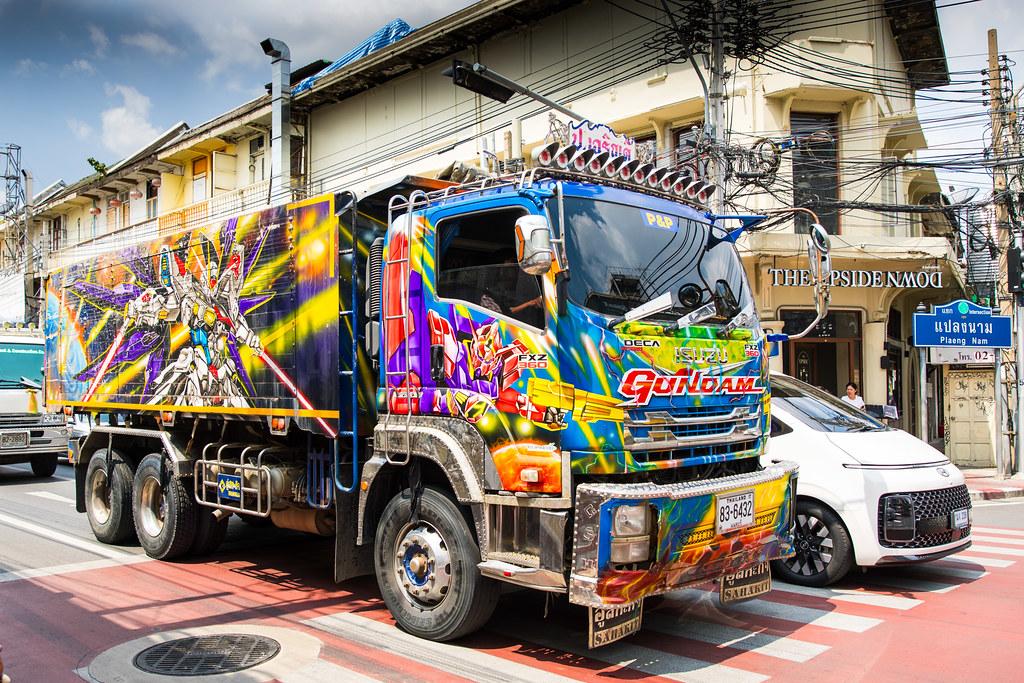
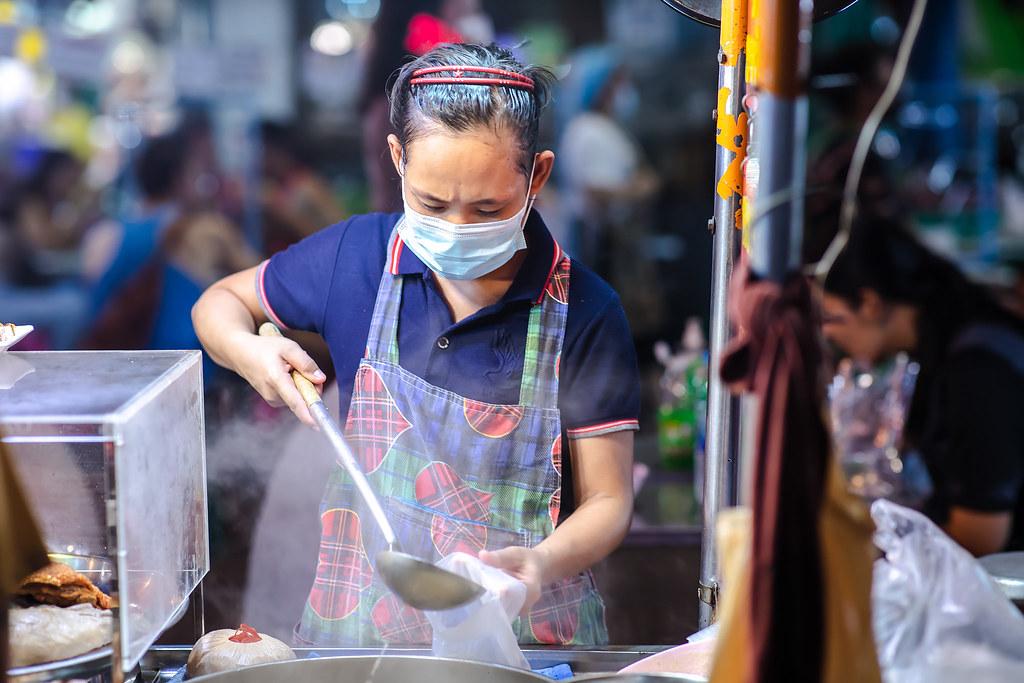
Welcome to Bangkok's Chinatown, one of the most vibrant, bustling, and historically rich neighborhoods in the city. Visiting Yaowarat is an unforgettable sensory experience, filled with neon signs, incredible street food, centuries-old temples, and narrow alleys packed with diverse trade goods.
Whether you are planning your first trip or returning to explore deeper, having a few practical tips up your sleeve will make your journey much smoother. From transport connections to navigating the tropical weather and local customs, here is everything you need to know for a seamless stay in the heart of Chinatown.
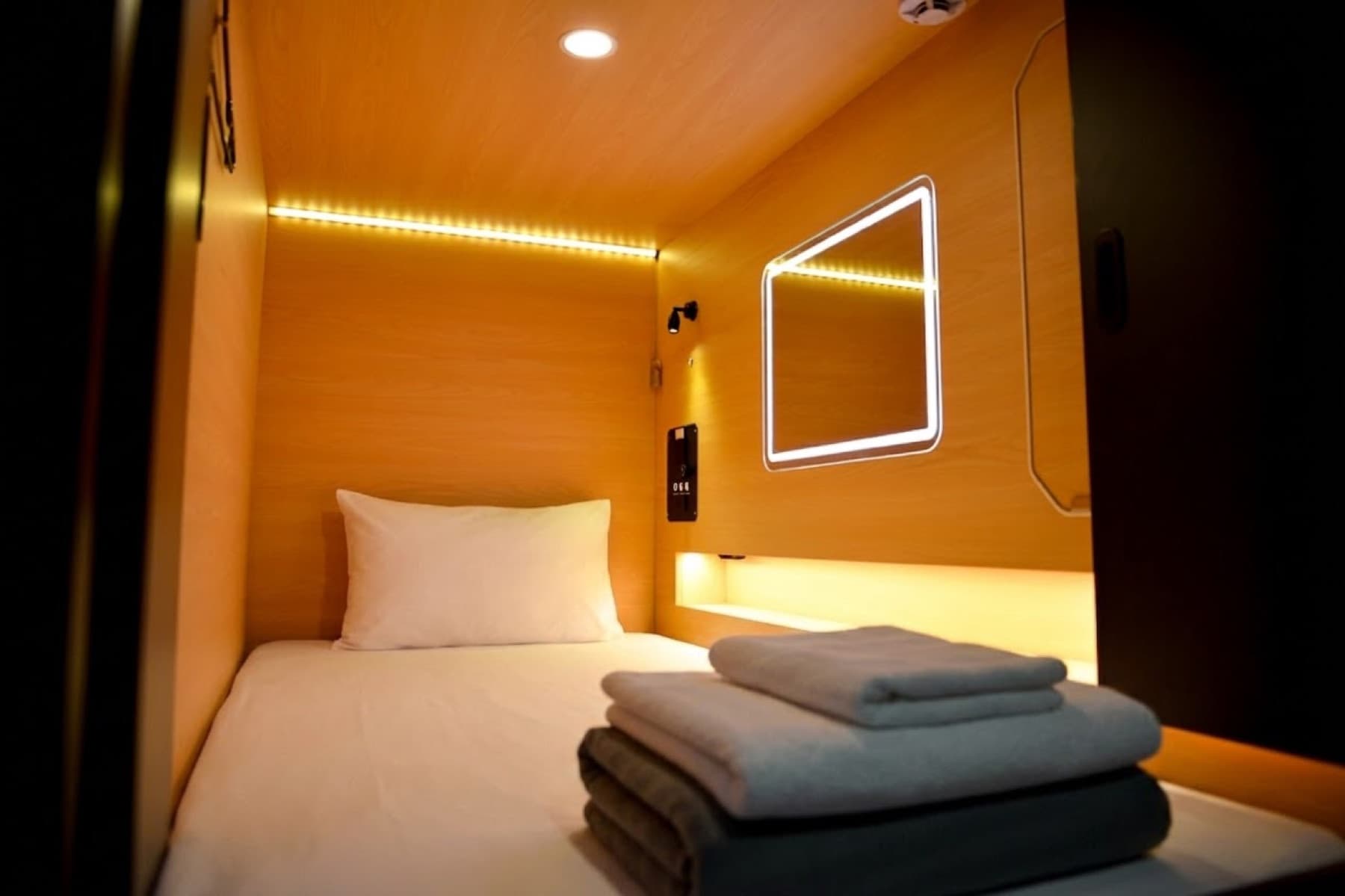
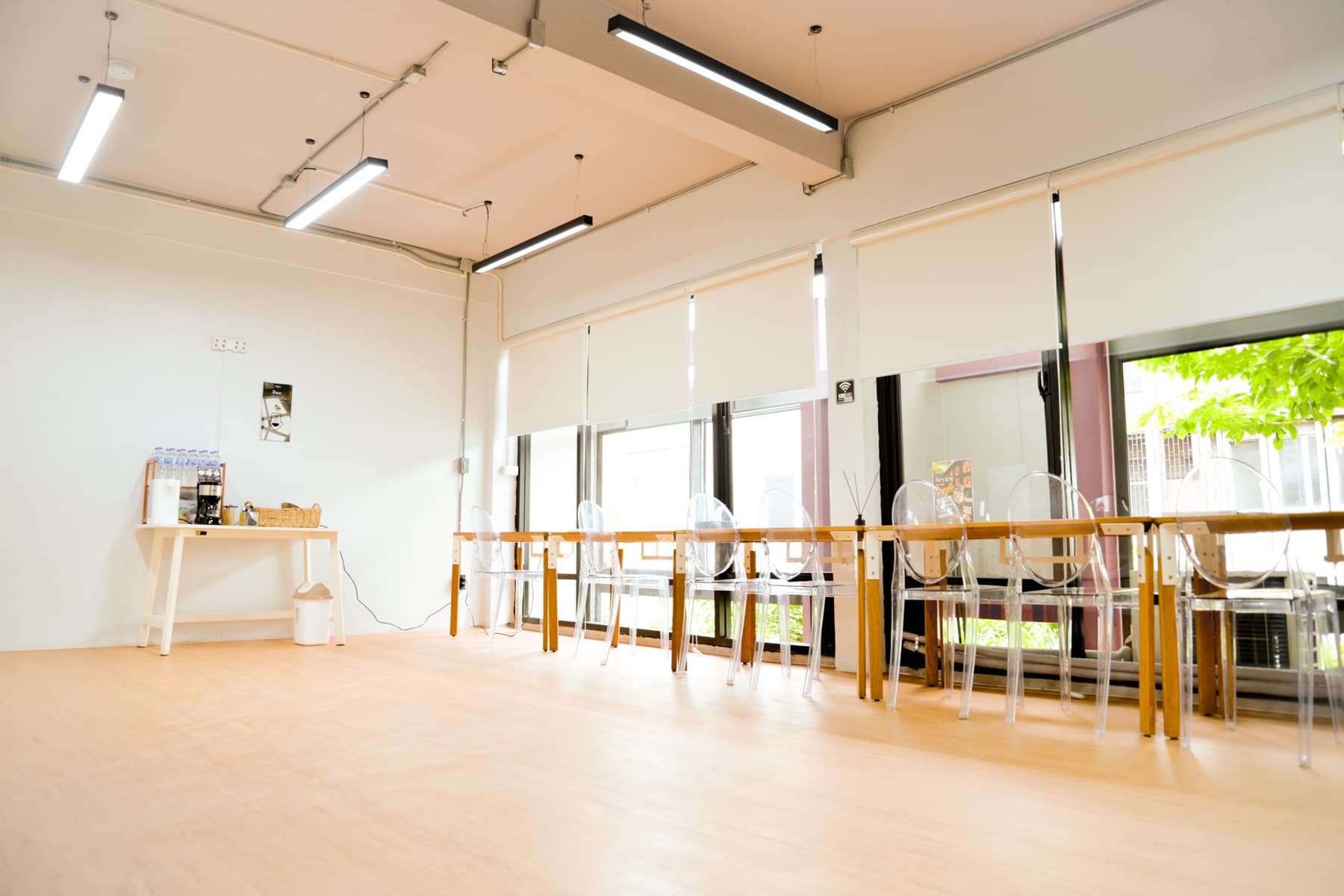
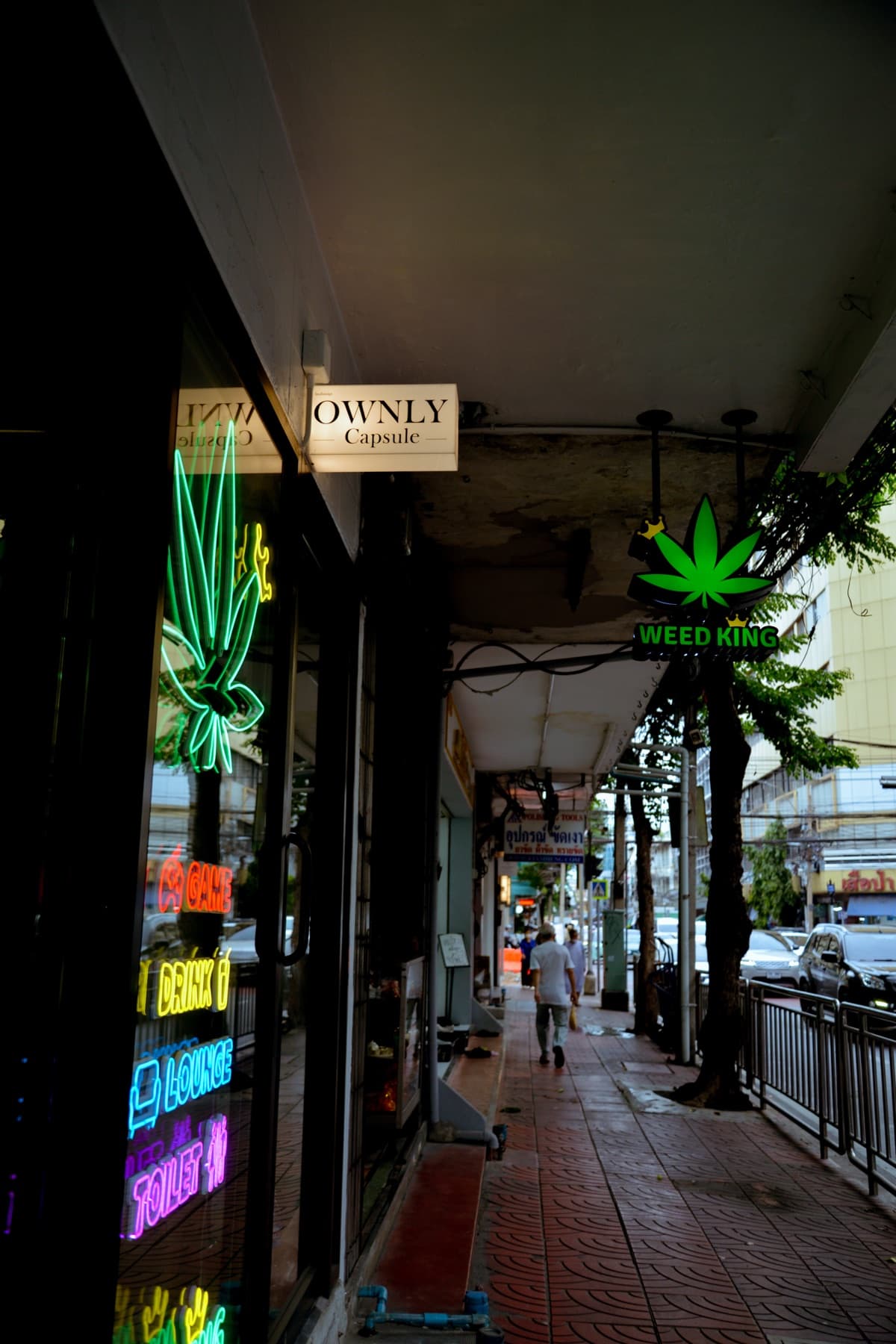
For travelers looking to stay right in the center of the action, OWNLY Capsule Hotel is a small capsule hotel situated on Charoen Krung Road in Samphanthawong, offering easy walking distance to Yaowarat Road's famous street food.
Getting Around and Transport
Getting around Bangkok's Chinatown is remarkably convenient thanks to a mix of modern rail transit, historic waterways, and very walkable streets. The MRT Blue Line is your best friend here, with Wat Mangkon station placing you right at the doorstep of the neighborhood's main attractions.
In addition to the subway, the Chao Phraya River runs alongside Chinatown, and taking the local express boats is a scenic, affordable way to beat the notorious Bangkok traffic and reach other parts of the city. Walking is also essential, as many of the best markets and hidden shrines can only be discovered on foot through narrow alleys.
If you arrive via Suvarnabhumi or Don Mueang airports, you can easily connect to the Airport Rail Link and MRT system to reach Wat Mangkon station without getting stuck in road gridlock.
Temples, Markets, and Sights
Chinatown is home to some of Bangkok's most significant and visually stunning temples, offering a peaceful contrast to the lively street markets outside. Wat Traimit, located near the grand Chinatown Gate, houses the world's largest massive gold Buddha image and is well worth a visit.
Wandering the maze-like markets is another quintessential experience. Sampeng Lane is a dense, bustling wholesale market where you can find everything from fabrics to trinkets, while the Old Market offers a traditional look at daily local trade and fresh ingredients.
When exploring these sights, remember to dress respectfully with shoulders and knees covered when entering temple grounds, and keep an eye on your belongings in crowded market alleyways.